Creative languages
For a long time, I viewed programming and photography as two separate things—two completely different worlds.
One made of logic and computers, the other of images, perceptions, and sensory stimuli.
Then I realised that the creative processes underlying both activities are very similar.
In the beginning, it’s an idea, which is then brought to life—in one case by using a programming language to instruct a computer to perform a series of actions, and in the other by “manipulating” the available settings on a camera. Ultimately, both operations lead to the creation of an artefact that previously existed only in the mind of the person who conceived the idea. A programme, like a photograph, initially exists only as a mental model that must then be then translated into something tangible, something real. The programmer uses syntax, algorithms, data structures, and architecture. The photographer, meanwhile, uses composition, light, timing, depth of field, and colour. Yet both also work within limitations: the programmer deals with the constraints of language and hardware, while the photographer deals with those of the camera, the light, and the medium; ultimately they are doing something similar: translating an idea into a form that others can understand.
It seems like a bold comparison, doesn’t it?
The parallel doesn’t stop there.
Taking a photograph or creating a software involves a whole range of challenges that must be sorted out through a creative process, albeit one that employs
techniques governed by precise rules. For instance, how do I ensure the exposure is exactly what I want?
I start with the basic rules of the exposure triangle and adjust them as I see fit until I achieve the desired result for a specific situation.
Or, how do I create a software that compresses a file optimally without significant data loss? I start with basic algorithms that I can then modify to achieve the specific type of compression I want.
In short, both activities require the programmer—or photographer—to use a range of techniques acquired over time to bring to life a result that faithfully reflects their original vision.
When I first thought about it, I was completely confused; it seemed like such a strange idea. Yet, when I pieced together everything I had done up to that point, it felt entirely natural.
In the end, whether it involves analogue or digital photography, technique and art have always gone hand in hand.
These two worlds eventually began to influence one another. I used photography to learn new programming languages by creating small scripts that allowed me to apply unique filters to my photos.
Conversely, programming drove me to approach the “photographic” problems I encountered in a systematic way, sometimes trying to bypass the limitations of the camera or post-processing software, wherever possible, in a true hacking spirit.
At other times, I simply applied a philosophy akin to TDD (Test-Driven Development—writing tests before the software that verifies them) to analogue photography: I would take digital shots first to gauge the composition,
and then, once I knew what I wanted, I would shoot using analogue film. Photography, on the other hand, has taught me patience—not pursuing a result (often a mediocre one) as quickly as possible, but to wait and reflect,
just as one does when waiting for the right light; to observe the world and its problems from a different perspective, while awaiting the precise moment.
Ultimately, both have taught me the same thing: the value lies not only in the final result but also in the process of creating it.
This post appeared in the first issue of RogueLight (in Italian)
Things I like - in random order ( Usually my pictures  )
)
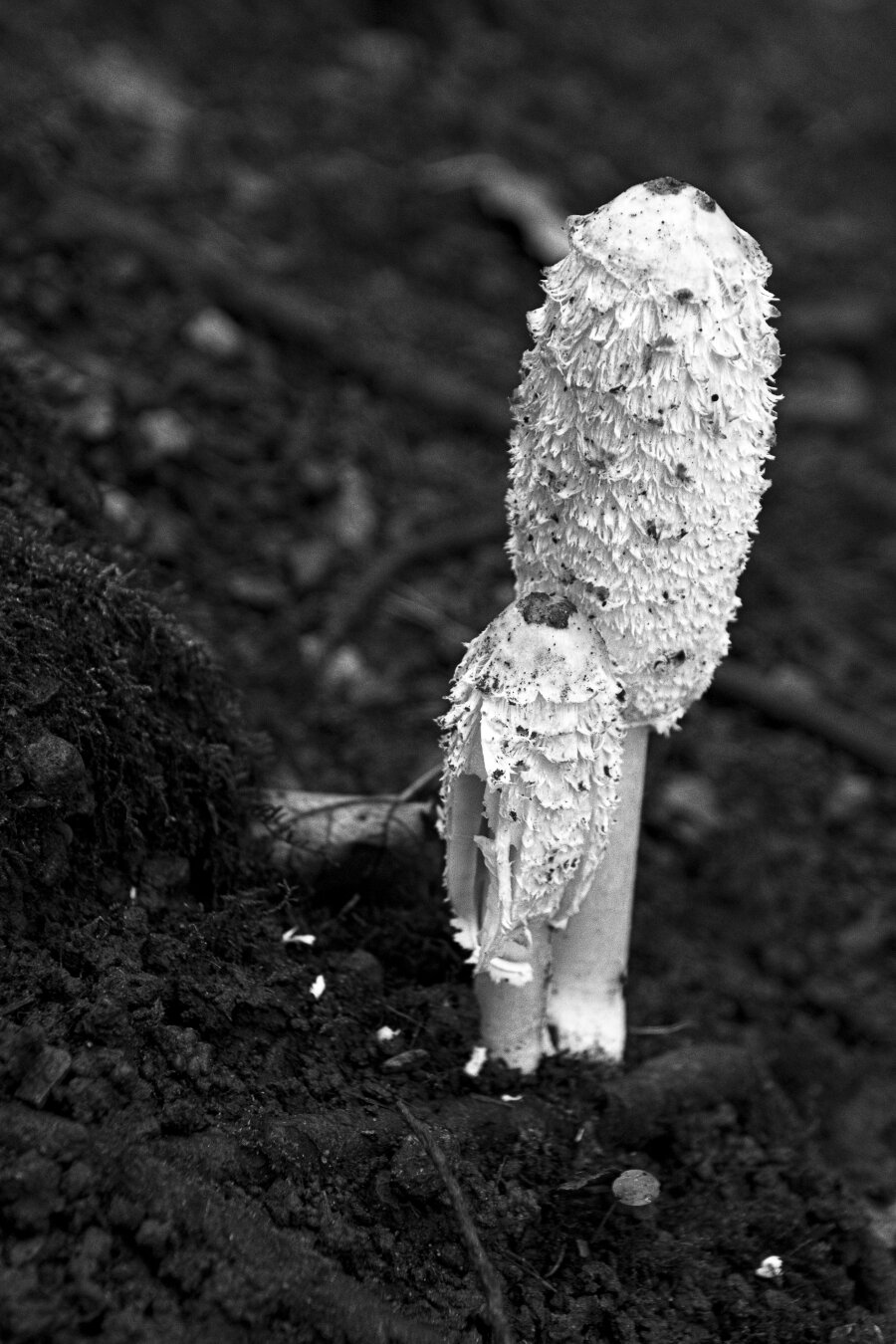
I sent this picture to LensCulture for their Blanck and White Photography Awards 2026 and it’s been accepted 
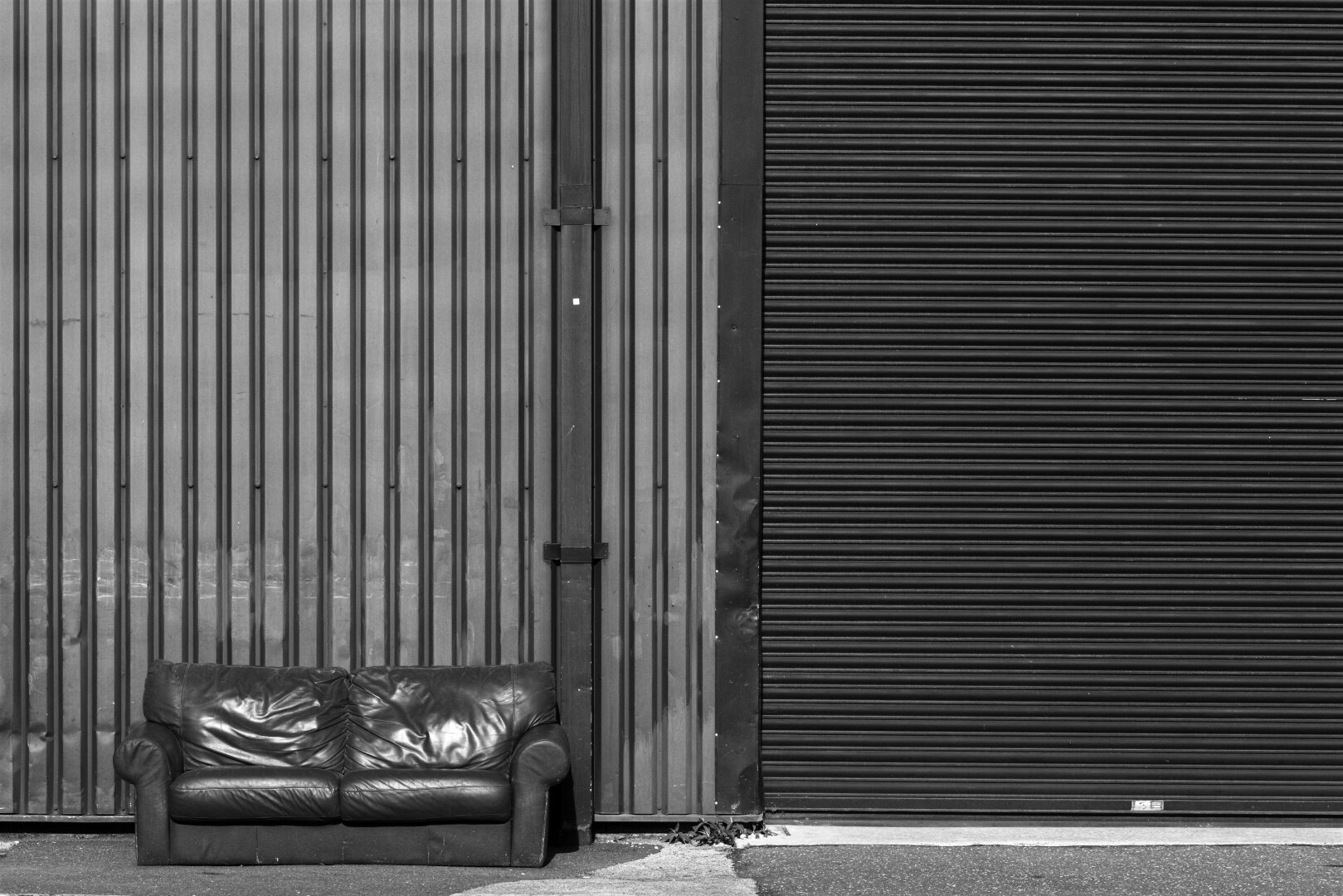
I found this during one of my walks around Sheffield and instantly I imagined it in monochrome
Today’s Links
The first number of Rogue Light an Italian photozine I collaborate with.
Ethan Mollick Use your deep knowledge, wide knowledge, taste and agency The Overhang
Ted Gioia An Oscar for the worst performance by an actress? AI-Generated Movie Star Has a Total Meltdown on TV
Tressie McMillan Cottom tech’s most powerful soothsayers are begging one another to pump the brakes on this whole thing A.I. Is a Threat, but Not in the Way You Think
Naomi Klein and Astra Taylor an excerpt from their latest book End Times Fascism
Aperture photobooks are always worth someone’s time